
Introducing Spark
The brain behind your operation.
Powered by Spark.
Your AI property manager for every operation you run, working from what your teams already know and handing back finished work, not just answers.
Introducing Spark
SparkThe LexingtonGood morning, Amy
Spark is thinking
Policies, playbooks, property history, and team knowledge stay connected and useful.

Each answer names the policy, lease, or record it came from, so you can check it.

The same fault in four buildings reads as one pattern, not four unrelated tickets.

An answer at the desk becomes a work order in the field and an update to the resident.

The notes, decisions, and corrections your teams make become part of what Spark knows.

The same memory serves a single property and the whole portfolio, with no setup per site.
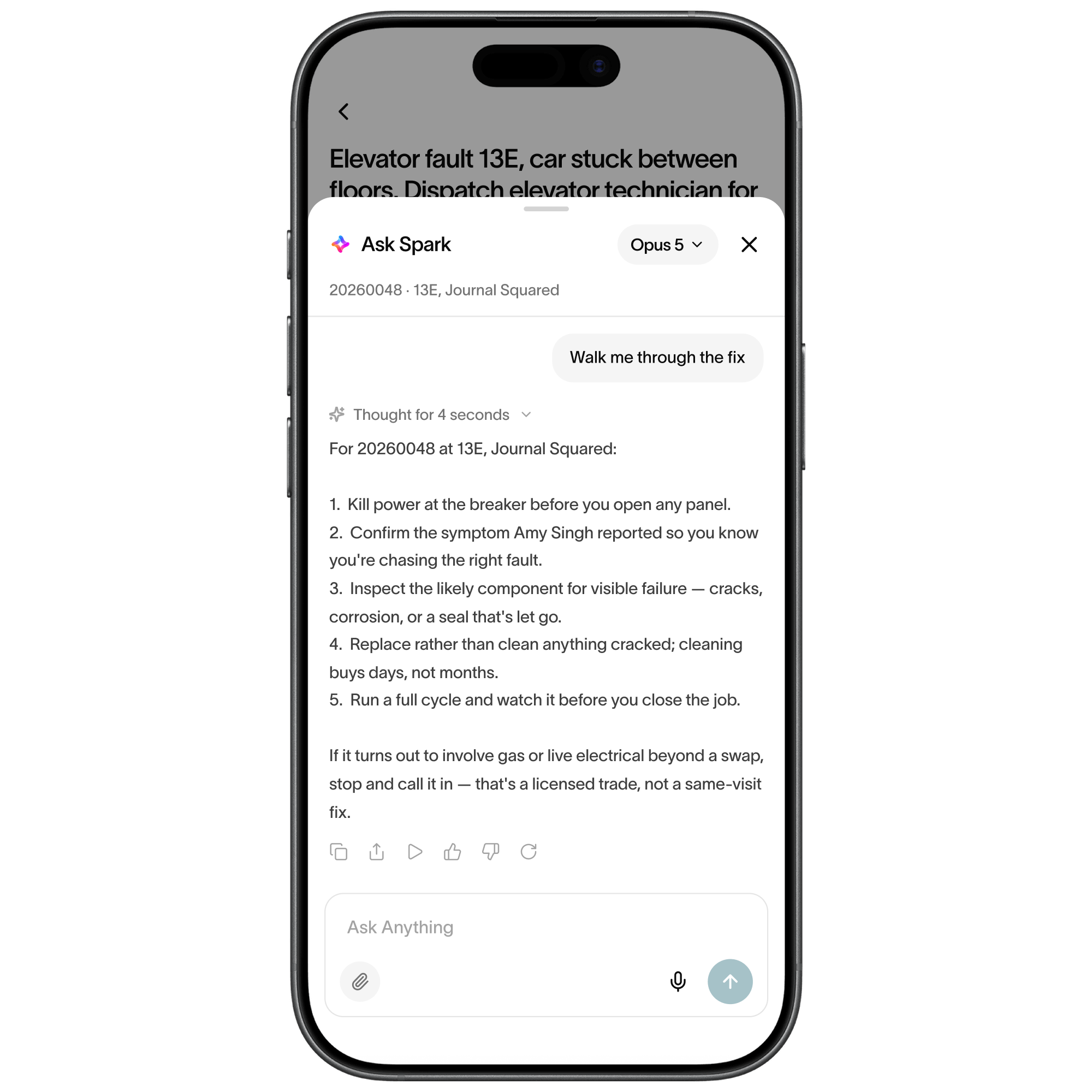
The same brain that runs the office rides along on the job. Spark knows the unit before the panel comes off.
Spark reads the unit’s history and says what was tried the last time.
Answers drawn from the equipment documents and past repairs on that unit.
Speak the question with gloves on and Spark answers from your records.
Say what you did; Spark writes the notes and the update to the resident.
Spark inherits each person’s role and permissions. Admins set the rules once.
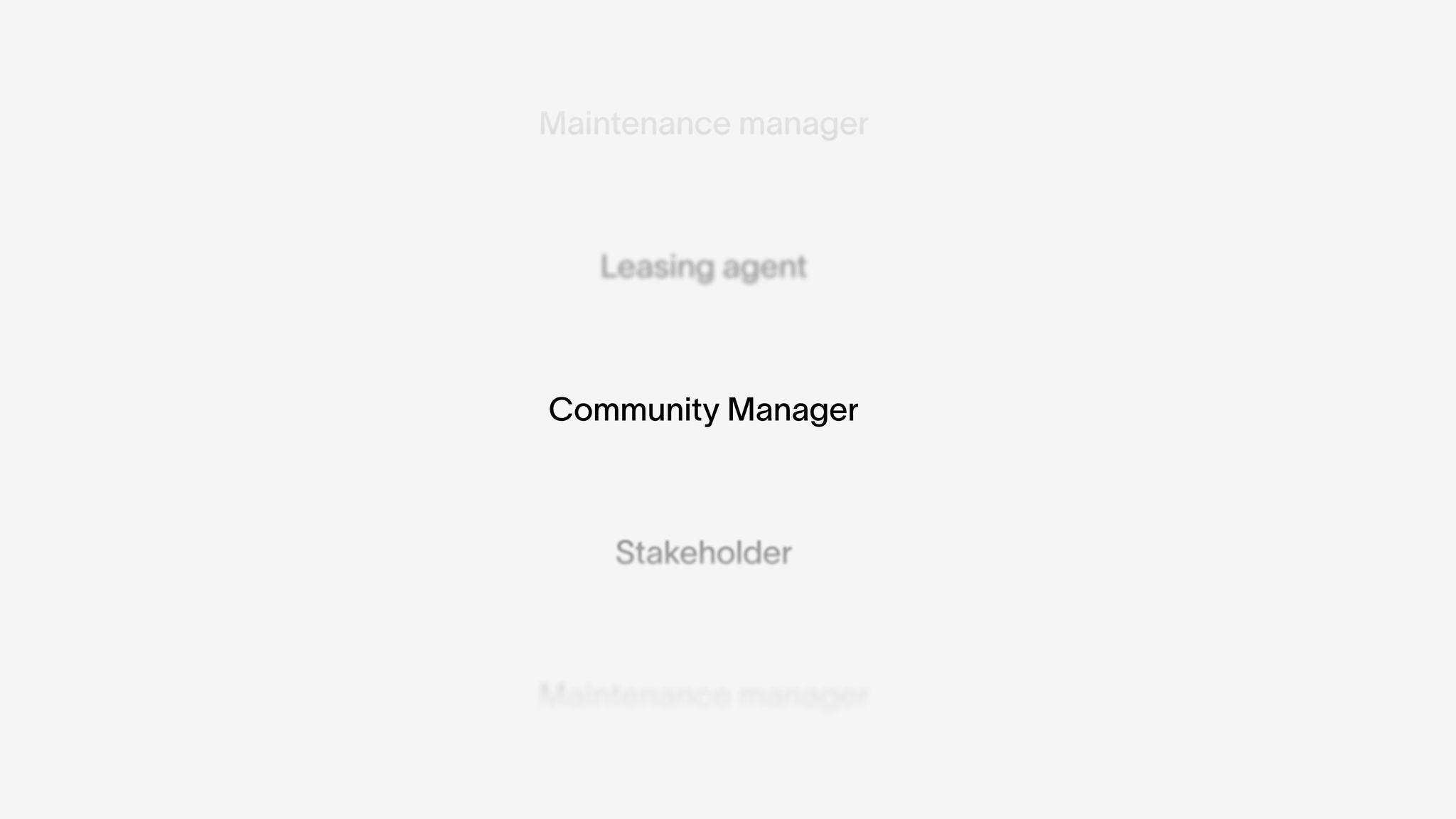
Every answer starts from the community you’re in: its policies, its history, its residents.

Actions that carry weight wait for a person, and every step is recorded.
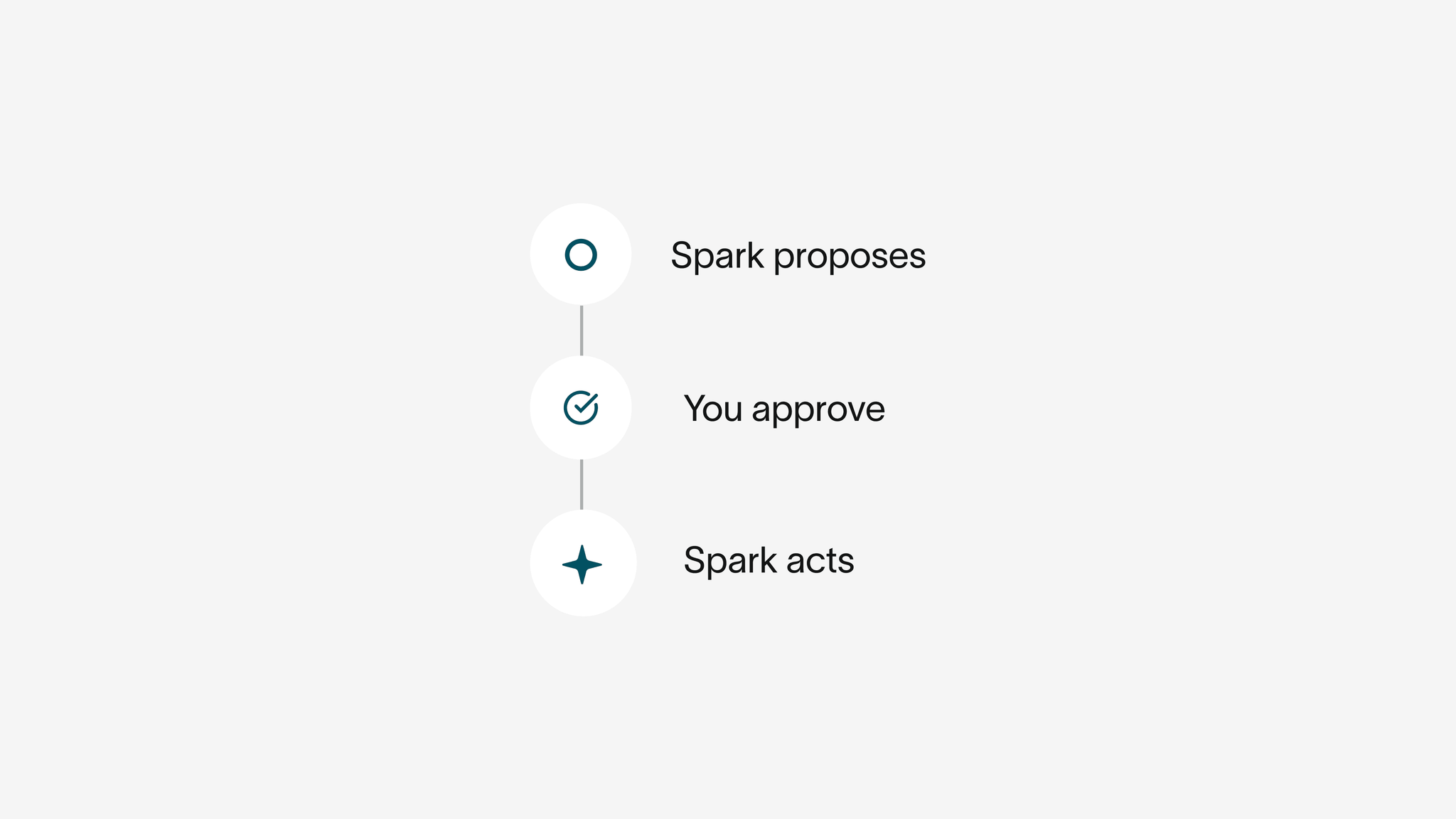
Connect your PMS, work orders, and documents. Nothing to migrate.

FAQ
Create and assign work orders, draft tour follow-ups, change tour bookings, summarize calls, extract policies and information, update the knowledge base, draft reports, automate workflows, and flag preventive maintenance before it becomes a repair.
It runs on your company brain and your live operating data. Every answer is an accurate pull from the record, scoped to the community, with the steps shown.
From the systems you already run: your property management system, work orders and inspections, leases and policies, vendor contracts, and resident conversations. Spark reads across them in one pass, and there is nothing to migrate.
Admins map Spark to the roles you already have, so a leasing agent and a regional manager see different things. You choose which workflows run on their own and which need a person.
Claude, Anthropic’s frontier models, inside Accolade’s harness, which grounds it in your data, enforces your permissions, and logs every action.
Start with one workflow