Senior Living

Centralized record keeping and document management keep policies, agreements, vendor files, and work history easy to find.
Automated tasks and workflows reduce manual follow-up, clarify ownership, and keep daily operations moving.
Standardize how work gets done across communities while keeping local teams and regional leaders aligned.
Route calls, capture context, assign follow-ups, and keep every inquiry visible.
Keep prospects engaged with timely follow-ups across calls, email, and text.
Assign recurring and one-time work, set owners, and track completion.
Manage credentials, assignments, contracts, service history, and performance.
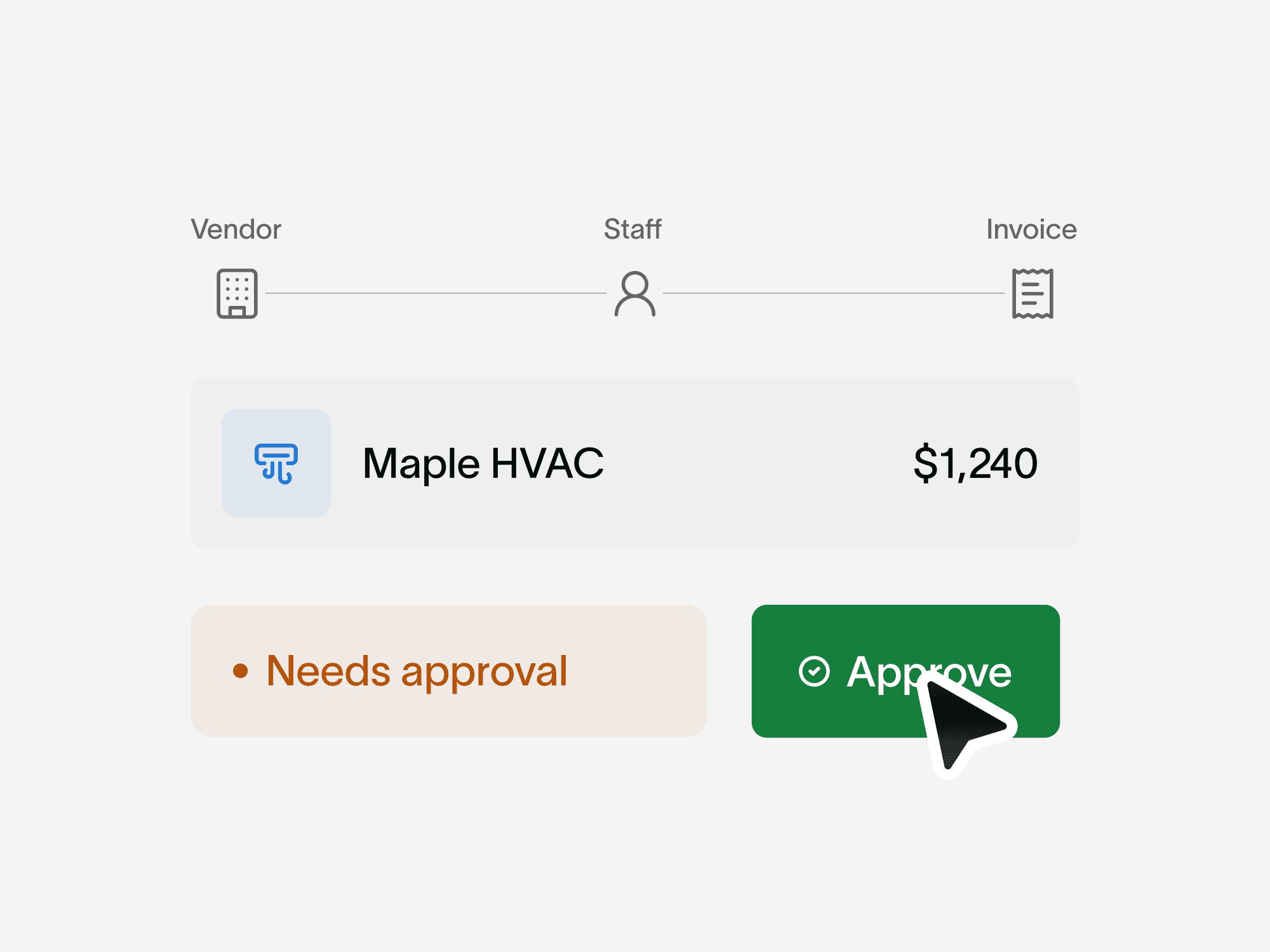
Match invoices to completed work, route approvals, and resolve exceptions.
Coordinate forms, apartment turns, inspections, keys, access, and arrival.
Manage recurring tasks, coverage, credentials, and department handoffs.
Prepare, approve, schedule, and track updates for each community.
Compare service levels, spend, staffing, readiness, and exceptions.
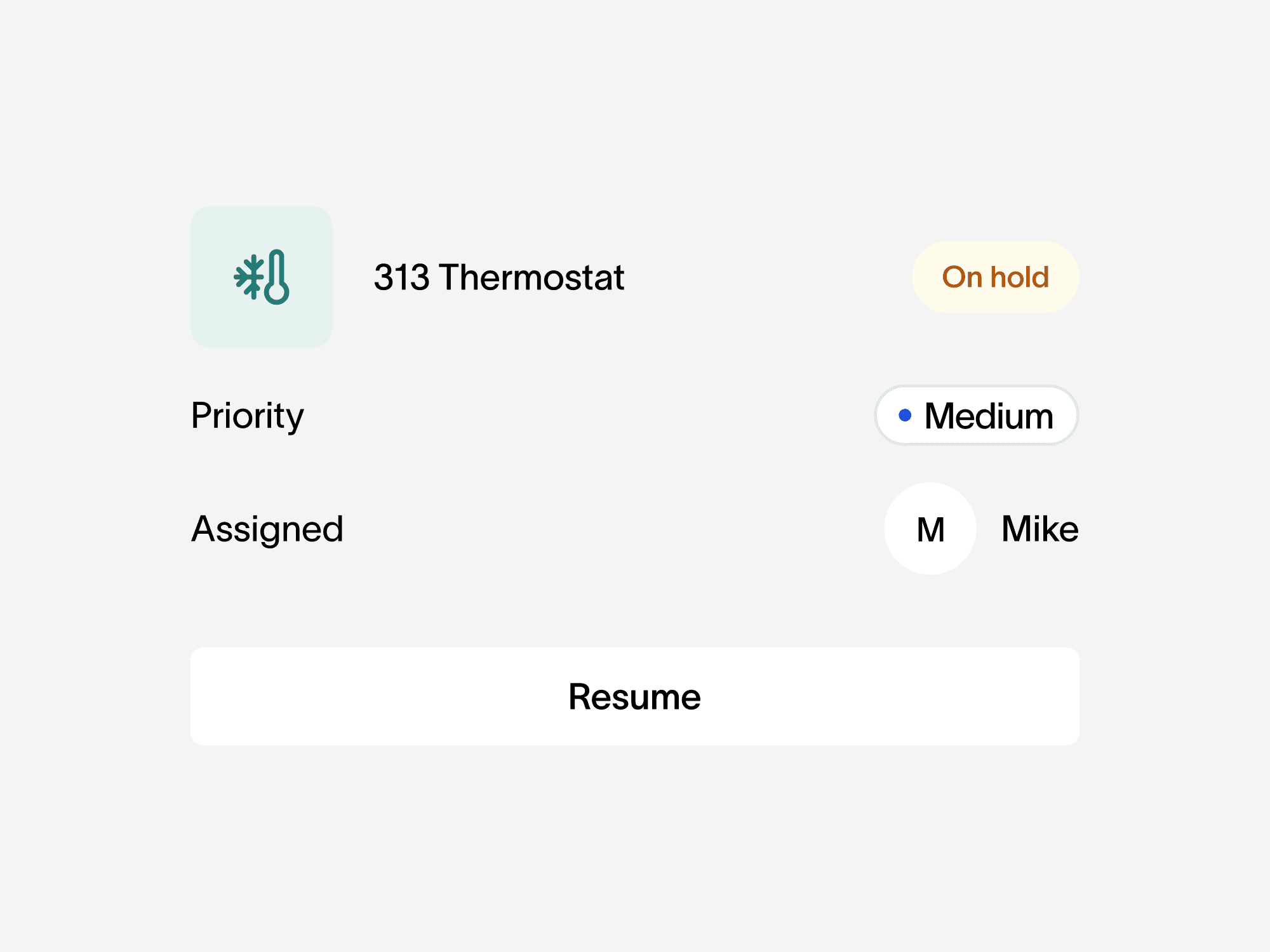
Intake, prioritize, assign, update, complete.

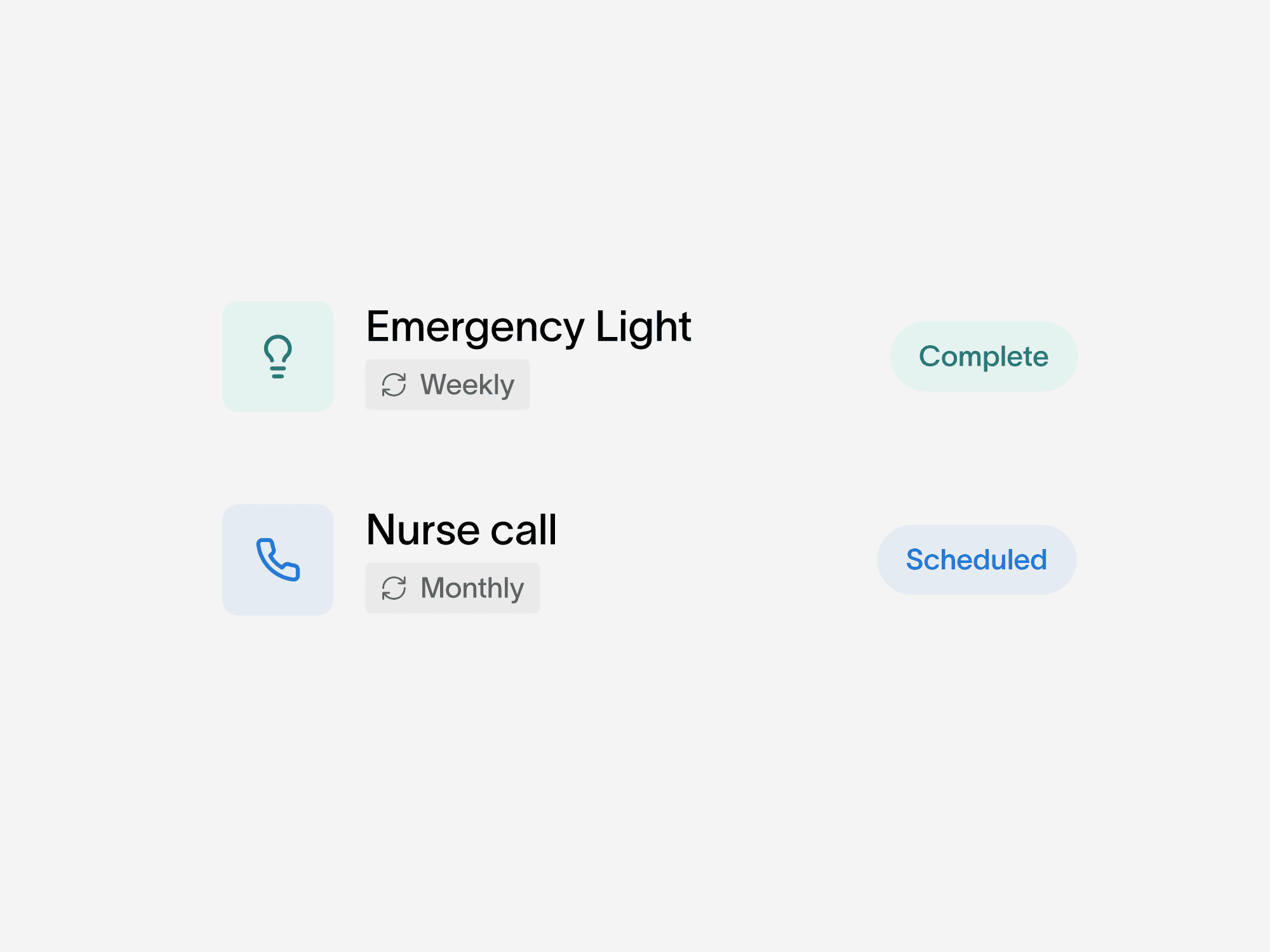
Schedule recurring work and inspections.

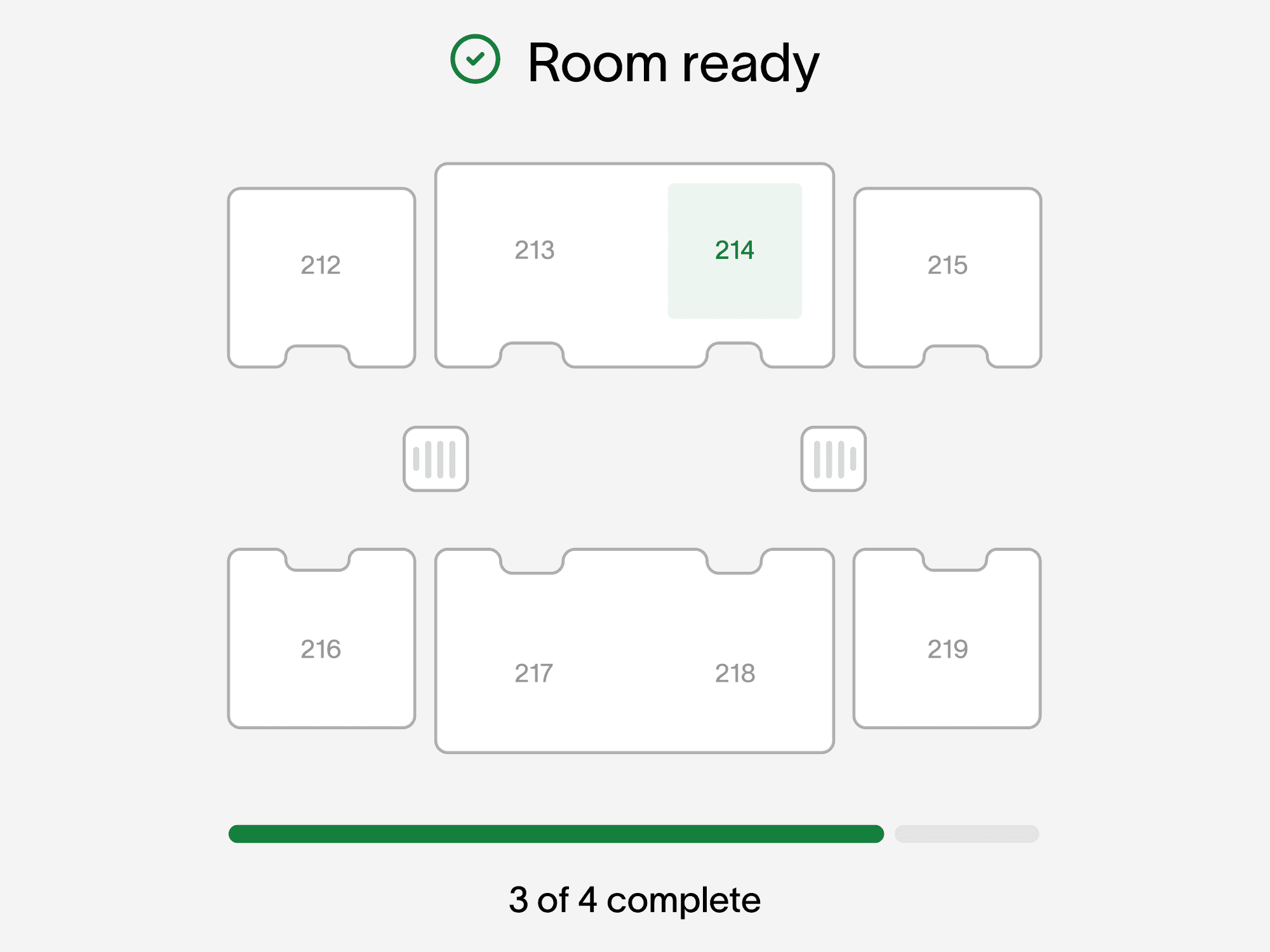
Prepare paperwork, access, and apartments.

Coordinate external and internal teams.

Portfolio Oversight
A simple view of maintenance, move-ins, staffing, and vendors shows leaders exactly where support is needed.
Schedule demoFAQ
Accolade supports facilities, maintenance, inspections, assets, move-in operations, vendors, invoices, staff coordination, announcements, and portfolio reporting.
No. Accolade connects the systems operators already rely on and coordinates the work that currently breaks between them.
Yes. Operators can define consistent intake, prioritization, assignment, escalation, inspection, completion, and reporting standards while allowing community-level ownership.
Teams can coordinate applications, agreements, deposits, apartment turns, inspections, keys, access, deliveries, and arrival tasks in one readiness workflow.
Yes. Teams can coordinate inspections, recurring preventive work, asset records, vendor credentials, resident work orders, service history, and proof of completion.
Most operators begin with one high-friction workflow or a small group of communities, then expand once the process is working the way their teams expect.
Start with one operating workflow